Full disclaimer here, I don’t own an electric vehicle. However, I am an electrician, and I may install an electric vehicle charger one day (fingers crossed). You may think me weird but I am actually looking forward to installing my first EV charger. So until that day arrives, I will be learning about EV chargers in preparation. And what I learn I will share with you guys.
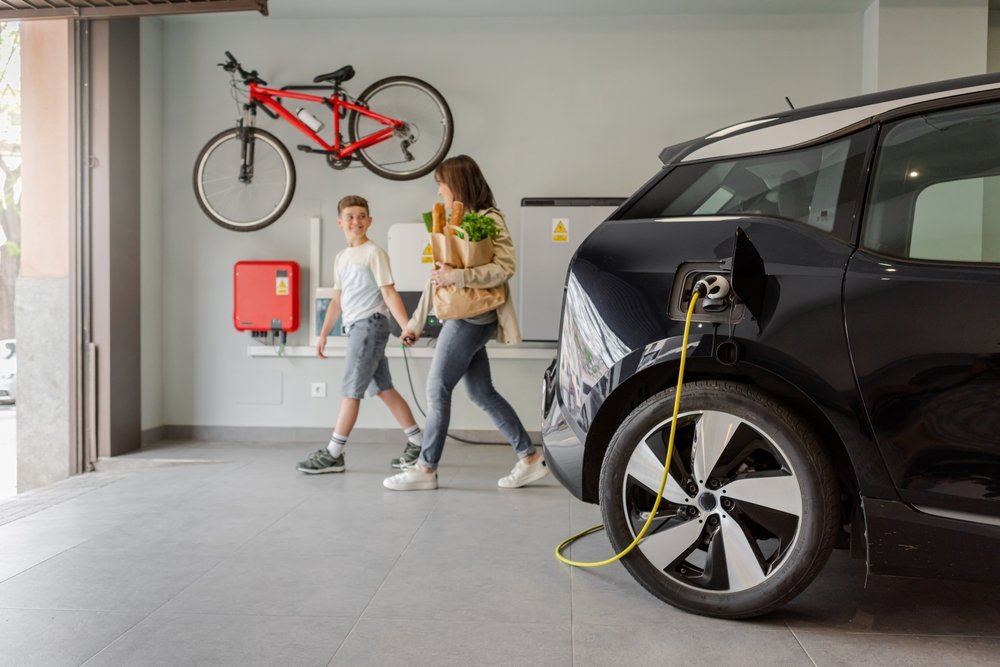
So what we electricians and most lay people call “chargers” probably should be called Electric Vehicle Supply Equipment (EVSE). Why so technical? Well, “technically” all electric vehicles have on-board chargers. You see, for a battery to be charged it needs direct current (DC) and the on-board charger takes alternating current (AC) supplied by the EVSE, changes it to DC and charges the batteries.
So the next time your friend, family member, or neighbor asks if you can install the charger for their new Tesla, think to yourself, “Oh, you mean the EVSE.”
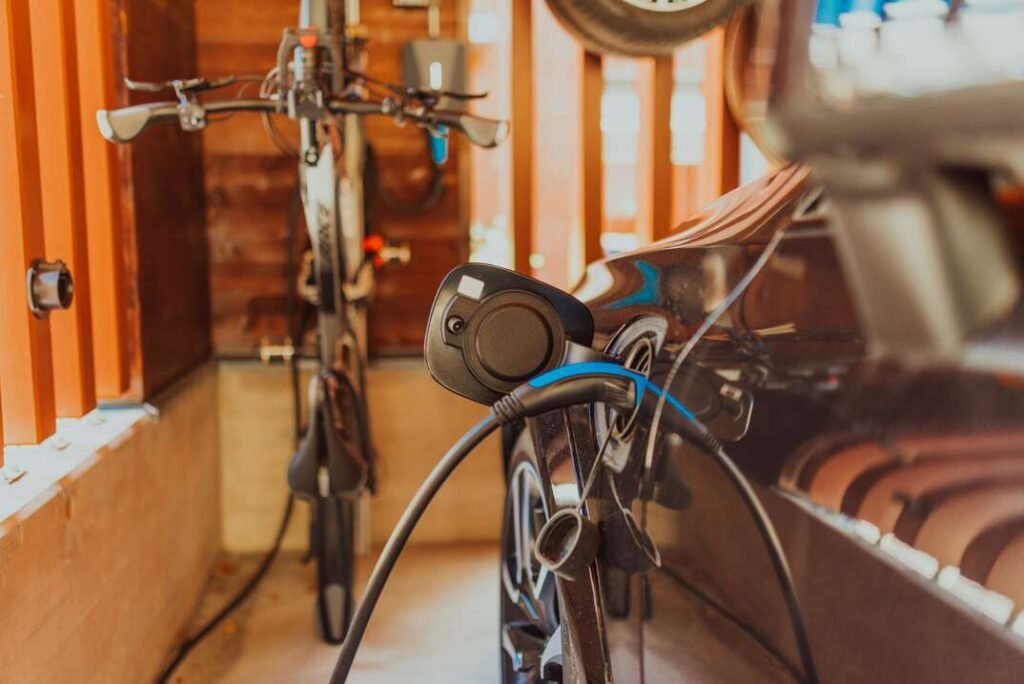
The first thing I want to understand are the three levels of charging.
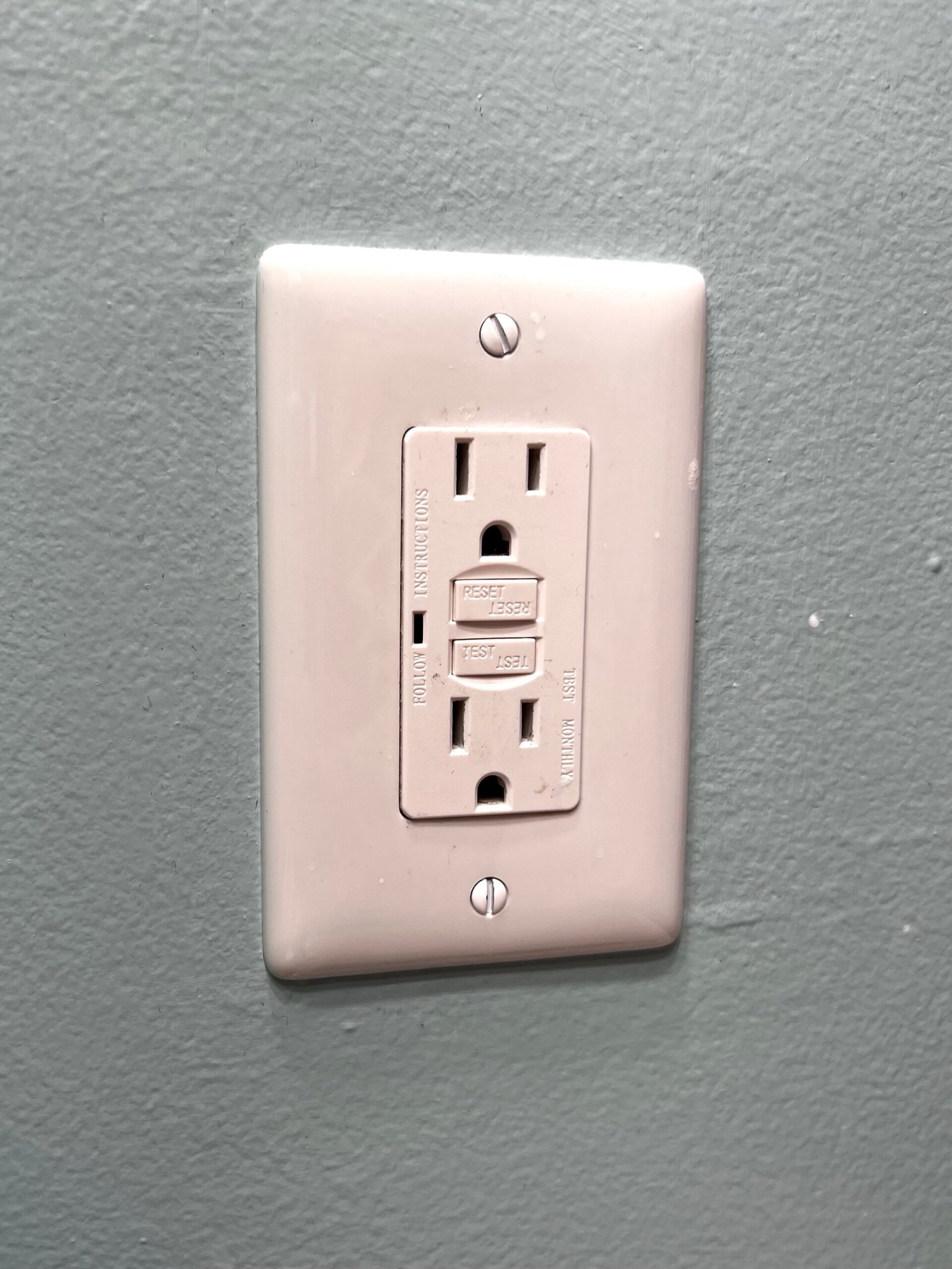
- Level 1 Charging – This EVSE utilizes a NEMA 5-15P plug and plugs into a standard duplex receptacle. This method charges the EV battery the slowest. Only 120V are being used to charge the battery.
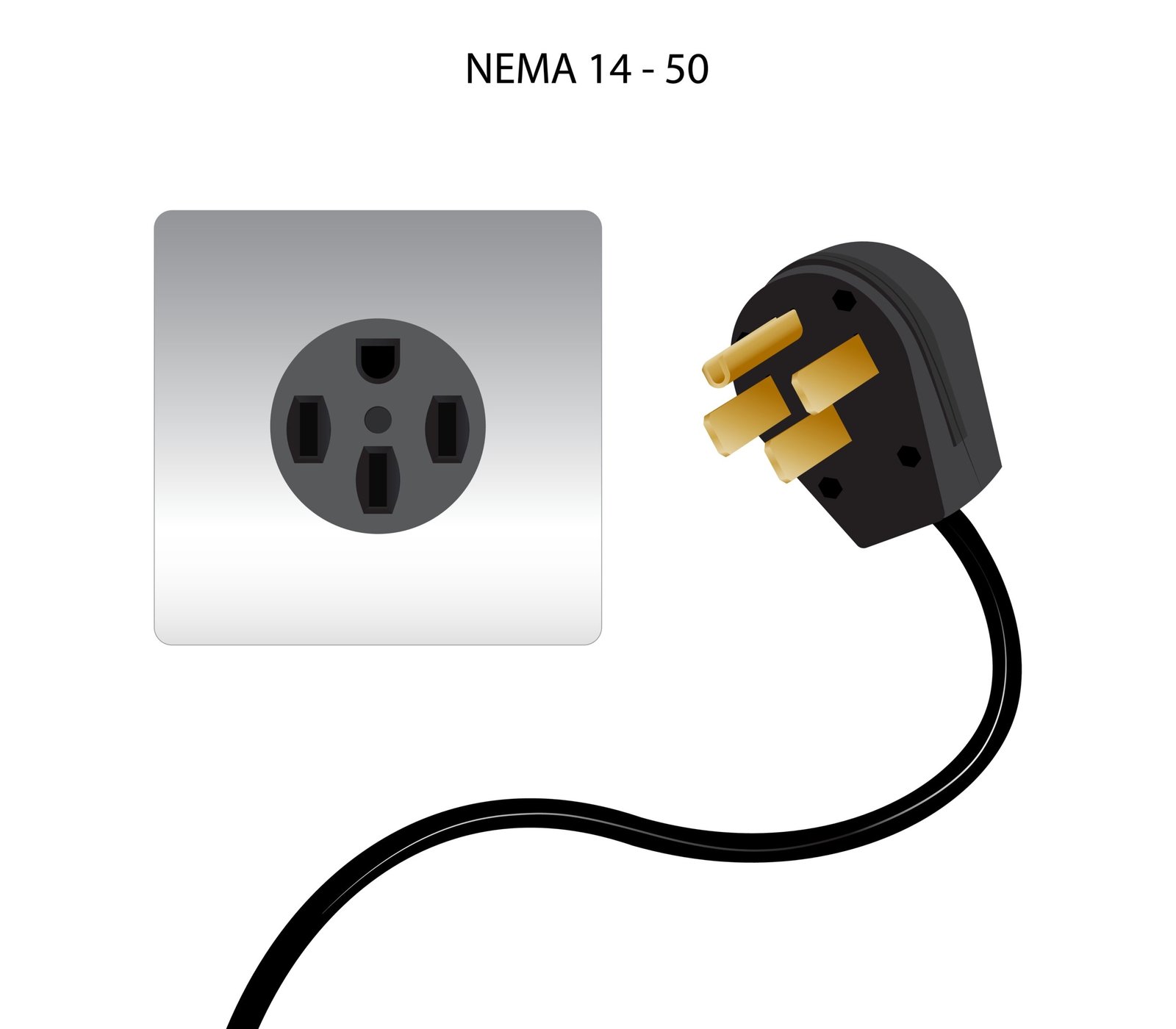
- Level 2 Charging – This EVSE uses either a NEMA 14-50P to plug into a compatible receptacle or is hardwired. This method uses 208/240VAC; the higher voltage re-charges the EV batteries faster than level 1.
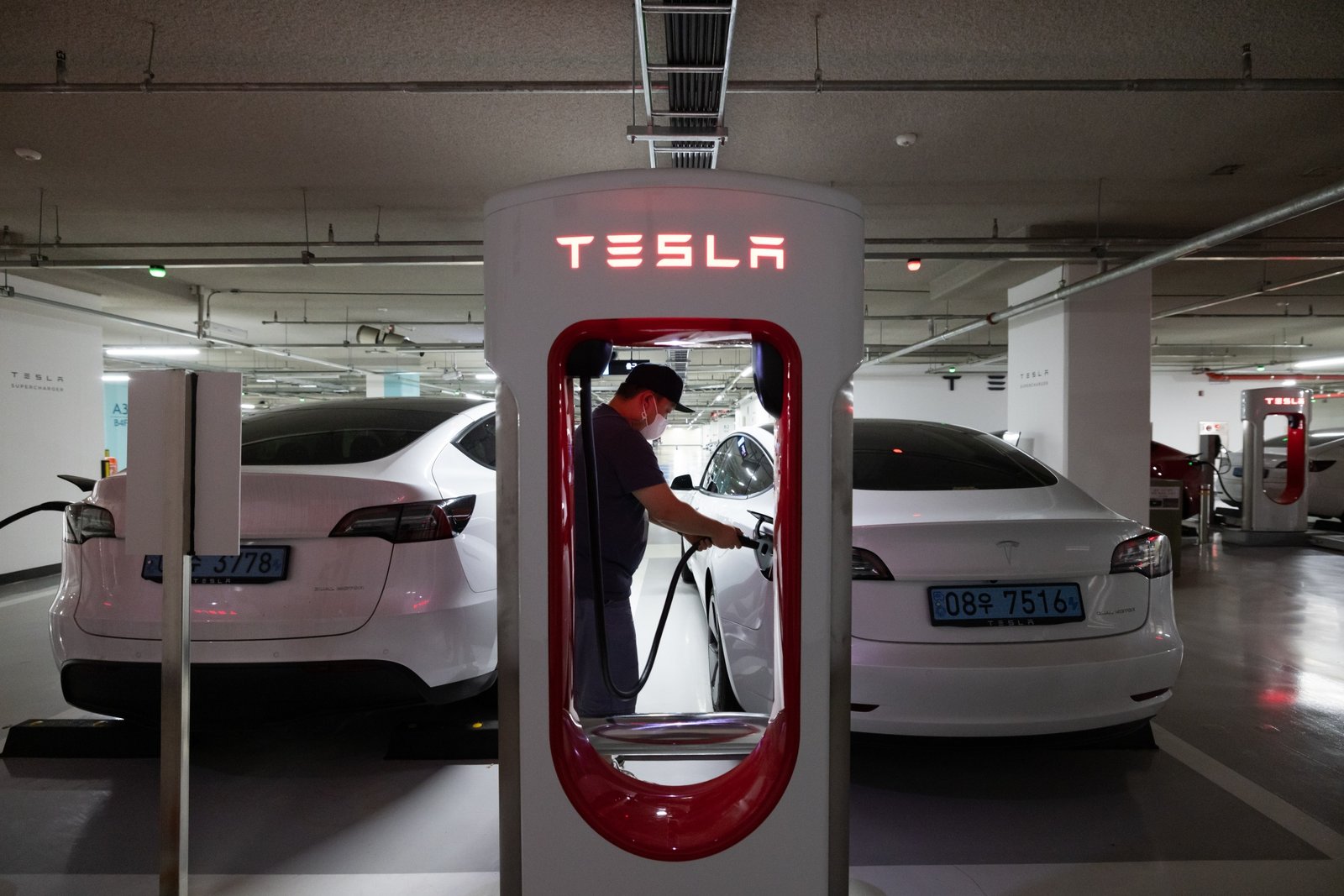
- Level 3 Charging – This EVSE pumps DC directly into your car through a special connector. The higher power output from these types of EVSE can re-charge a car’s batteries in less than an hour.